Two Witnesses, a Pub Table, and the Steps That Do the Work
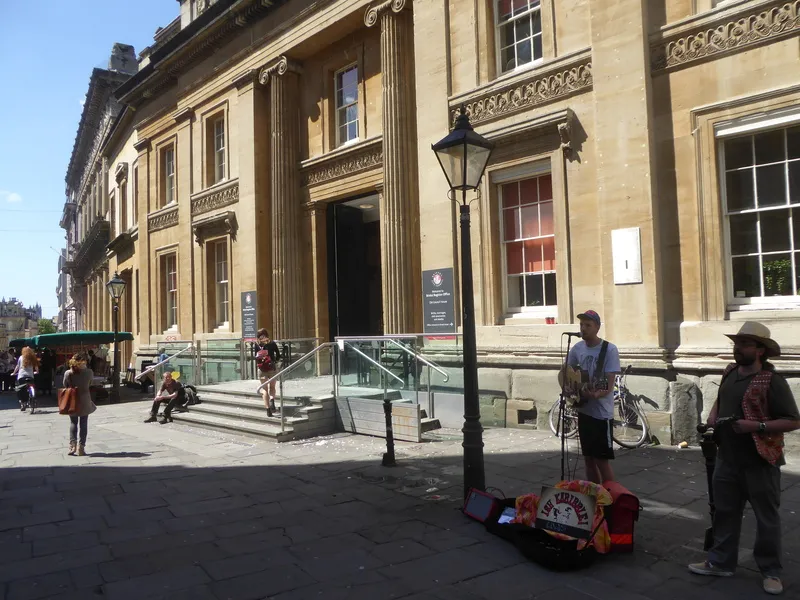
Photo: Steve Barnes , CC BY-SA 2.0, via Wikimedia Commons
Some weddings arrive with a spreadsheet. Others arrive with a carrier bag containing two confetti boxes and a spare pair of tights. The smallest civil ceremonies I photograph tend to fall into the second camp, and I mean that as a compliment. There is no seating plan to check, no first dance to rehearse, no supplier timetable pinned to the back of a door. There is just a couple, two witnesses, a register office, and the question of whether the pub round the corner does a decent lunch.
That lack of machinery changes the photographs. Not because small weddings are automatically more romantic, or because big ones are somehow less real. It changes them because the day has fewer places to hide. When there is no performance to keep up, people stop performing. They hold hands because they want to, not because a photographer has asked them to. They laugh at the wrong moment. They look at each other while the registrar is talking, rather than at the lens.
Fewer moving parts, more room to breathe
A traditional wedding album often has to prove something: that every guest was there, that the cake was cut, that the speeches happened. A tiny ceremony doesn't need that kind of evidence. The story is narrower and, somehow, more intimate. I can spend ten minutes on a single glance on the steps. I can follow the walk to the pub without worrying that I'm missing the group shot. I can photograph the quiet bit when one of the witnesses is holding the rings in a coat pocket and trying to remember where they put the parking ticket.
If you're planning a small civil wedding, the first thing to accept is that the timetable will feel strangely empty. That's not a flaw. Build in a little space either side of the ceremony, especially if you want photographs outside. A late-morning slot often works beautifully in the UK: soft light, empty pavements, and a pub that's just opening its doors. You don't need a full day of activities. You need enough time to be present.
The steps are the aisle
The register office steps have become one of my favourite places to photograph a wedding. Not because they're grand, necessarily. Some are, with stone columns and a bit of civic pomp. Others are ordinary: a few grey steps, a handrail, a wheelie bin that nobody notices until the photos come back. But they do the same job. They are the threshold. One minute you're inside, signing a book. The next you're outside, married, and the air feels different.
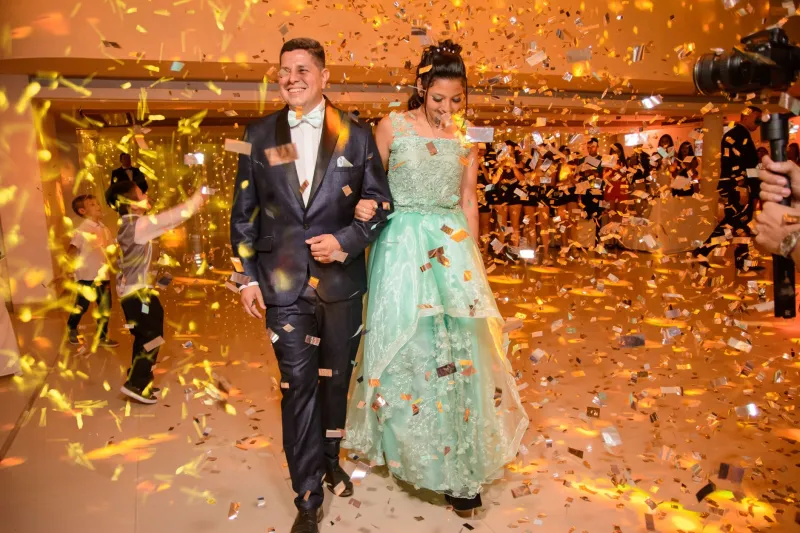
That's why I rarely try to stage anything on the steps. I ask the couple to walk down slowly, or to pause for a second because the light is nice. Then I get out of the way. The best frames are usually the ones where they've forgotten I'm there: a hand on a waist, a burst of laughter, a witness trying to work out whether it's raining. If there's confetti, brilliant. If there isn't, a loose bit of confetti in a coat pocket can still make a lovely detail. The steps don't need decorating. They just need the two of you, slightly giddy and not quite sure what to do with your hands.
The walk to the pub is the reception
At a big wedding, the reception is a room. At a tiny one, it's often a walk. I love that walk. It's the bit where the formality falls away and the day becomes a story you'll actually remember: the couple in front, the witnesses behind, everyone trying to keep hold of a bouquet and a card and a phone that keeps buzzing. The pavement is real. The weather is real. The pub sign creaking in the wind is real.
If you're planning a pub lunch after the ceremony, choose somewhere within walking distance if you can. It doesn't have to be fancy. A back room, a corner table, a menu of sandwiches and chips, a landlord who says congratulations and then leaves you alone. Tell the pub you're coming, obviously, and ask whether they can keep a table for an hour or two. But don't over-plan the room. The photographs will be better if there's a bit of clutter: coats on chairs, half-finished drinks, somebody's nan asking if there's a vegan option.
This is also where the tiny wedding really starts to feel like a wedding. There's no dance floor to fill, so people talk. There's no schedule to follow, so people linger. I often photograph the table from a distance: hands around a glass, a menu held up to the light, a witness telling a story that makes everyone lean in. Those frames are quiet, but they're not small. They're the whole point.
What to plan, and what to leave alone
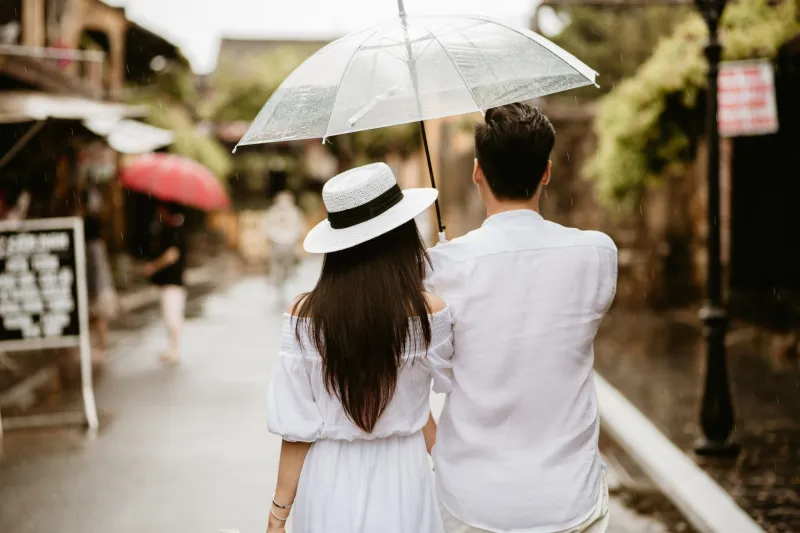
Plan the things that make you feel looked after. Book the ceremony. Ask two people you trust to be your witnesses. Decide where you're eating. Bring an umbrella if the forecast is British. Wear shoes you can walk in, because there will be walking. If you want a bouquet, choose something seasonal and loose, and don't worry if it droops by lunchtime. A slightly tired bouquet in a pub is a very honest sort of beautiful.
Leave alone the things that belong to bigger weddings. You don't need a seating plan for six people. You don't need a first dance. You don't need to hire a venue that makes you feel like a guest at your own day. The ceremony will give you enough structure. The rest can be a walk, a meal, and a few hours of being together.
The photographs you'll actually want
The images that matter most from a tiny civil wedding are rarely the ones you'd predict. Yes, you'll want one of the two of you outside the register office, looking pleased with yourselves. But you'll also want the one of your witness holding the rings in the waiting room, the one of your hands on the pub table, the one of the two of you walking away with your coats over your arms. You'll want the photograph that proves it wasn't a performance. It was a Wednesday, or a Friday, or whatever day it was, and you got married.
That's the quiet magic of a small wedding. It doesn't give you a hundred guests to organise. It gives you a few people, a short walk, and a long lunch. And if the photographs are honest, they'll hold all of it: the steps, the pub, the rain, the laughter, and the strange, ordinary joy of just the two of you.