Grey Is a Colour: Why Overcast Light Makes the Truest British Wedding Photographs
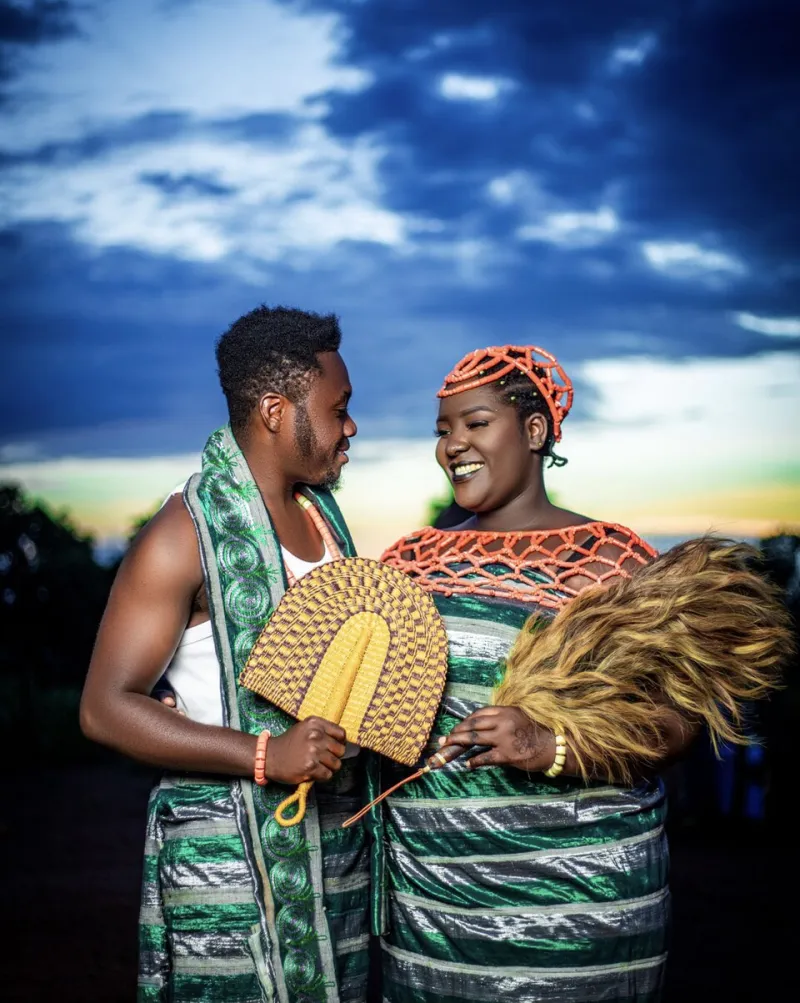
Photo: Zakaria Tunsung, CC BY-SA 4.0, via Wikimedia Commons
There's a particular dread that arrives about ten days before a British wedding. It has nothing to do with the seating plan, or the cousin who hasn't RSVP'd. It's the moment the long-range forecast loads on your phone and there — right over Saturday — sits a little grey cloud with two raindrops under it.
I've lost count of the couples who've messaged me in that exact week asking whether we should "move things around", or whether I can "do something with the light". So let's have the conversation properly, because I think we've all been sold a story about what good wedding photography looks like — and it isn't a story that suits this island.
The golden-hour myth
Search any wedding hashtag and you'll find the same picture: a couple silhouetted against an orange sky, sun flaring through a veil, long shadows stretching across a field. It's beautiful. It's also, for most of Britain for most of the year, a fantasy. Our sun is low and weak for huge chunks of the calendar, the genuinely gorgeous light turns up around 9pm in July when everyone's already eaten, and between October and March the golden hour is essentially a rumour.
Couples see those images and quietly decide their own day will be a compromise if the sky doesn't play ball. That's a strange thing to believe on the morning of your wedding. Nothing about your day is diminished because the sun stayed in bed.
What soft light actually does
Here's the technical bit, and then I'll climb off the soapbox.
An overcast sky is one enormous softbox. Light arrives from everywhere at once, so it wraps rather than hits. Practically, that means a few things.
Skin looks like skin. No squinting, no hard shadows under noses, no blotchy patches where a low sun caught one side of a face and left the other in the dark. Freckles, laughter lines, your nan's hands on a buttonhole — all of it reads clearly and kindly.
Eyes stay open. This sounds small and it really isn't. In bright sun, half your ceremony photographs are people mid-blink or squinting into a hedge. Under cloud, people simply look at each other.
Colour behaves. A saturated dress, an eclectic bridesmaid palette, a bright bouquet, the green of a wet garden — grey light stops them fighting. Everything sits in the same room, tonally.
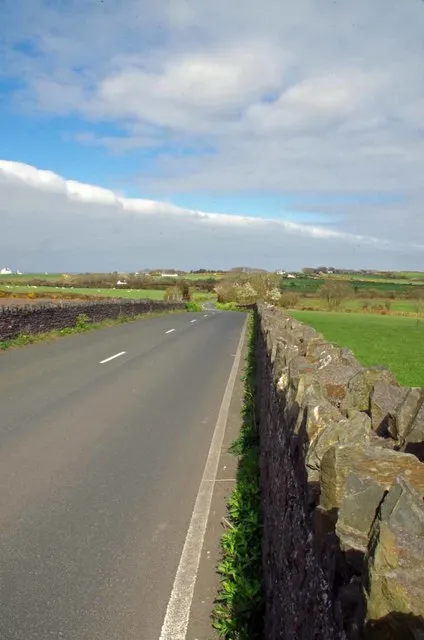
The atmosphere has texture. Mist on a hillside, rain on windows, umbrellas, wet stone, the smell of a church porch in November. Bright days give you glare. Grey days give you weather, and weather is a feeling.
Soft light is the most forgiving, most flattering and most honest light there is. It doesn't flatter by hiding anything. It flatters by never shouting.
The rain panic is rarely about rain
Almost nobody is genuinely worried about getting wet. What couples fear is that rain signifies something — bad luck, bad planning, a day that has gone subtly wrong.
So let me offer the boring reassurance. In all the years I've photographed weddings across the UK, I have never once seen a day ruined by weather. I have seen days strained by rigidity — by a schedule so tight that a forty-minute shower became a crisis.
Rain is a logistical inconvenience. It is not a verdict on your marriage, your taste, or your luck.
How I actually shoot a wet wedding day
Before the day, I ask about covered options: the church porch, the barn doorway, the marquee, the corridor with the big sash windows. I note where the light falls at 2pm and at 5pm. I keep two umbrellas in the boot — one plain, one enormous and slightly ridiculous.
On the day itself, I stop pretending the weather isn't happening. If it's raining, we go out in it. Coats on, umbrella up, five minutes on the wet pavement outside the venue, and then straight back in for a towel and a glass of something. Those photographs are consistently some of the most alive images I make all year, because nobody is performing. You're just two people, laughing, getting rained on, married.
When the rain is relentless, the plan shifts rather than collapses. Group shots move under cover. Portraits happen in five-minute windows, or in the doorway, or upstairs in a bedroom with the curtains open. The day bends. It doesn't break.
Planning with the weather, not against it
A few practical things worth doing while you're still in the planning stage:
- Build in slack everywhere. The schedule with no gaps is the schedule that falls apart at the first delay.
- Don't pin portraits to one slot. If we have three possible windows across the afternoon, we will find one that works.
- Ask your venue what's covered. Some of the best wet-weather backdrops I've used were a stone archway and a stairwell.
- Pack for the real day. Spare flats, a towel, a decent umbrella, and something warm to throw over your shoulders.
- Let go of a shot list tied to specific outdoor locations. It's the fastest route to disappointment.
What you keep
Here's the thing I've learned from a decade and a half of grey Saturdays: couples don't frame the photographs where the light was technically perfect. They frame the ones where they can hear the room. The giggle in the porch. The dash across gravel. Your dad holding his jacket over your mum's head.
British light is soft, changeable and unbothered by anyone's expectations. So is a good marriage, when it comes down to it. Let the sky do what it likes. We'll work with it.
Danielle photographs weddings across the UK, in all weathers, with the umbrellas already packed.