The Unmade Bed and the Boiling Kettle: Why Getting Ready at Home Beats the Hotel Suite
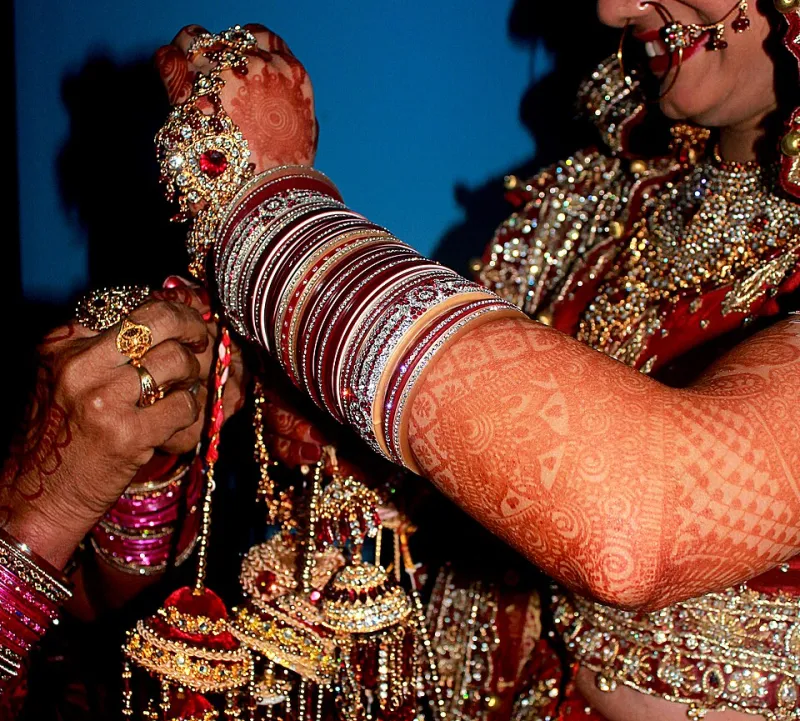
Photo: Sumita Roy Dutta, CC BY-SA 4.0, via Wikimedia Commons
I've photographed a lot of wedding mornings. Some in hotel suites with heavy curtains and a fruit platter nobody touches; some in front rooms where the ironing board is still up and someone's making a round of bacon sandwiches.
I know which ones stay with me.
This isn't a takedown of hotels. If a suite is where you want to wake up, brilliant — genuinely. But I think we've quietly accepted that The Getting Ready Photos happen in a neutral, beige, beautifully lit room, and that's simply not true. The strongest images from any wedding morning tend to come from somewhere far less polished and far more personal.
The problem with a blank room
A hotel suite is designed to look like it belongs to no one in particular. That's the point of it. It's clean, calm and completely anonymous.
Which is fine for sleeping. Less fine for a photograph that's meant to hold forty years of feeling.
When everything in the frame is anonymous, the picture leans entirely on the people. And sometimes that's enough — a mother doing up a zip is a mother doing up a zip wherever she is. But usually the room is doing work too, quietly, and a blank room does none of it.
What home gives you
Home is a set that was built without anyone designing it.
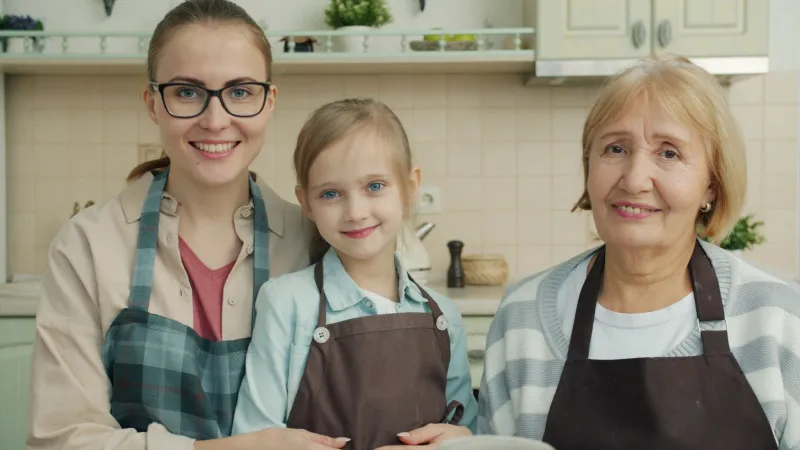
It's the hallway where the height chart is still pencilled on the door frame. The kitchen window with the wonky blind that lets in exactly the right amount of morning light. The landing where you used to sit at the top of the stairs listening to grown-up conversations after bedtime. The dog, who is definitely not supposed to be on the sofa and is definitely on the sofa.
None of that is decoration. It's evidence. And when it's in the background of your photographs, it tells the truth about where you came from — which is a strange and lovely thing to have documented on the day you begin somewhere new.
It also changes how people behave. A hotel room has a certain hush to it, a feeling of being a guest. At home, your mum puts the radio on. Your brother nicks a sausage. Someone's auntie turns up ninety minutes early "just in case". The nerves are still there, but they're shared, and shared nerves look completely different on camera: looser, funnier, warmer.
The real talk about logistics
A home morning is not automatically easier. It has its own friction, and it's better to know about it now.
Light. Not every house is blessed with a north-facing window and white walls. That's fine — I work with what's there, and a kitchen with a window and a bit of clutter often beats a perfectly lit empty box. If your front room is genuinely dark, we'll find the brightest corner and use it.
Space. It gets tight. There might be six people, a makeup artist, two dresses and a golden retriever in one room. I actually like this, but it means we should think about who needs to be where and when. A spare bedroom for the quiet bits works wonders.
The clearing up. You will be tempted to tidy everything before I arrive. Please don't. Half the texture disappears with the clutter. Leave the cards on the sideboard, the presents half-unwrapped, the shoes by the door.
Parking and access. Boring but real. Tell me where to park, and whether there's a step-free route for anyone with mobility needs.
Neighbours. On a residential street, you'll be photographed getting into a car in a big dress with people watching from behind net curtains. Honestly? It's one of my favourite genres.
Building a morning that breathes
Most getting-ready timelines are built backwards from the ceremony and end up tight. I'd rather build one forwards from the moment you wake up.
A shape that works well: everyone arrives, kettle on, hair and makeup start on whoever's going first. There's a lazy hour where nothing much happens and everything is photographed — hands, dresses on hangers, the dog stealing a hairpin. Then the dress goes on with only the people you actually want in the room. Then ten quiet minutes with your partner, separately, before cars.
What I'd protect above all is that last stretch. Not for photographs, for you. Ten minutes sitting on the edge of the bed, breathing, with the noise of everyone else downstairs.
A few things worth doing
- Keep one room clear of everyone except whoever's getting dressed — it becomes the calm space, and the best portraits come from it.
- Put the dress somewhere with light falling on it, not in a dark wardrobe with a bag over it.
- Ask someone to be in charge of food. Nobody eats at weddings and everybody regrets it by 1pm.
- Give the dog a walk before hair and makeup starts. Trust me on this one.
- Have a spare cloth for makeup and a bin bag for the bits of packaging that multiply alarmingly.
And if home genuinely isn't an option?
Sometimes it isn't. Maybe you're travelling, maybe the house is a building site, maybe the ceremony is three hours away and it makes no sense. Then find somewhere with a bit of character over somewhere with a bit of polish — a friend's front room, a cottage, a pub with rooms, your parents' house even if it's not yours.
The question is simple: does this place already feel like us? If the answer is yes, we're going to make something that lasts. If the answer is no, we'll still make good photographs — they just might not remember where they were taken.
Danielle photographs weddings and family stories across the UK, usually in kitchens.