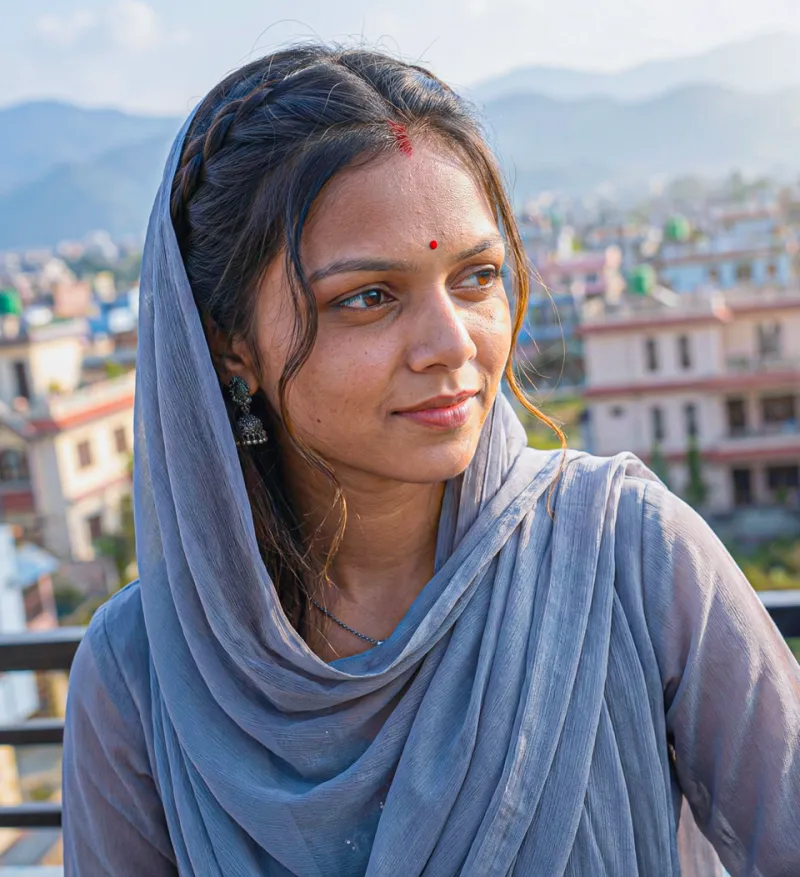
Forget the Pose: Why the Real Wedding Album Starts When You Stop Performing
Photo: candid documentary wedding photography UK couple laughing natural light, via get.pxhere.com
The camera is not the problem—the performance is
Most couples do not dislike wedding photographs. They dislike the version of themselves that appears when someone says, 'Just one more, big smiles.' Shoulders lift. Eyes go glassy. The result is technically fine and emotionally forgettable. In 2026, more UK couples are choosing a different route: documentary-led wedding photography that treats the day as it is, not as a series of set pieces.
This is not an argument against family group shots. They matter, especially to grandparents and to the people who have travelled to be there. But the album should not begin and end with the line-up. The real story is usually happening at the edges: a bridesmaid fixing a strap, a dad checking his speech for the fifth time, a couple holding hands behind a marquee while the band tunes up.
At Danielle Photography, the aim is honest, emotive photography for real life and love. That means giving the day room to breathe. It means knowing when to guide and when to disappear. And it means accepting that the best photographs often happen when you have forgotten there is a lens at all.
What documentary wedding photography actually means
Documentary does not mean 'no direction'. A good documentary photographer is not a passive observer with a long lens. They read the room, anticipate moments, find the light, and gently move people when it helps. They might suggest you read your vows privately before the ceremony, or ask your mum to help with your buttons because it will make a quieter, more touching frame than a staged dressing-gown shot.
The difference is intention. Instead of building the day around photographs, the photographs are built around the day. You are not asked to fake a first look. You are not marched into a field at golden hour while your guests wait for pudding. The photographer works with the wedding you have planned, not against it.
This approach suits UK weddings particularly well. Our weather is changeable, our venues are often full of character, and our celebrations tend to move between formal and gloriously informal very quickly. A documentary photographer is ready for all of it: the rain plan, the candlelit barn, the confetti scramble, the dance floor that kicks off before the first course is cleared.
How to feel natural in front of the lens
You do not need to become a different person for your wedding photographs. You need a photographer who makes the camera feel less like an audience and more like a quiet guest.
- Plan a moment, not a pose. A private first look, a walk together before guests arrive, or five minutes on a balcony can give you something to do rather than something to perform.
- Give yourself a job. Hold hands, fix a cufflink, pour a drink, read a card. Small actions give your hands and face somewhere to go.
- Talk to each other, not the camera. Ask your photographer to step back while you have a proper conversation. The odd silly face is part of the story.
- Accept the tears. If you cry, let it happen. Those frames are often the ones couples return to years later.
- Build in buffer time. Rushed couples look rushed. Ten quiet minutes between ceremony and reception can change the entire mood of your photographs.
- Trust your photographer enough to ignore them. The best documentary images come from couples who feel safe enough to be themselves.
Questions to ask your wedding photographer
Before you book anyone for a 2026 wedding, ask questions that go beyond the portfolio. A beautiful gallery tells you what the photographer can do on a good day. A good conversation tells you how they will behave on a real one.
- How much direction do you give during the day?
- Can we see two or three full weddings, not just the highlights?
- How do you handle family group shots without letting them take over?
- What is your plan if it rains, or if the light is dreadful?
- How do you work in low light during winter ceremonies and evening receptions?
- Will you visit the venue beforehand, and how do you work with your second shooter?
- What happens if you are ill or unable to attend?
- How do you make shy guests feel comfortable?
The answers will tell you whether you are booking a photographer who directs the day or documents it. Neither is wrong. You just need to know which one you are getting.
UK venues that do the work for you
Some venues make unscripted moments almost inevitable. These are places with texture, nooks, changing light and enough space for guests to wander.
- The Asylum Chapel, London — peeling walls, stained glass and a raw, romantic atmosphere that makes quiet moments feel cinematic.
- Elmley Nature Reserve, Kent — wild marshland, big skies and birds overhead. It is not a polished country-house backdrop, and that is exactly the point.
- Bawdon Lodge Farm, Leicestershire — barns, fields and a relaxed rural setting that suits boots, confetti and dancing under festoon lights.
- The Lord Crewe Arms, Northumberland — old stone, open fires and windswept walks. Perfect for winter weddings where guests gather close.
- Lusty Glaze, Cornwall — a beach venue with cliffs, sea light and the kind of sunset that makes even the most camera-shy couple forget themselves.
- South Farm, Cambridgeshire — gardens, animals and a gentle countryside pace that gives children and grandparents plenty to explore.
The common thread is not style or budget. It is room to move. A venue that lets the day unfold naturally will always give a documentary photographer more to work with than a tight schedule and a single perfect staircase.
The photographs you will actually frame
When the day is over, most couples do not frame the perfectly symmetrical shot of them smiling at the camera. They frame the one where they are laughing at something no one else can hear. They frame the blurry dance floor picture because it sounds like the song. They frame the quiet moment with a parent who has since passed away.
That is the case for the unposed wedding. Not because posed photographs are bad, but because the day is too rich to reduce to a checklist. Let the group shots happen. Then put the camera down, in your mind at least, and let the wedding happen around you. The album will be better for it.