What the Shoe Box Deserves: Photographing the Family Prints You Keep Meaning to Sort
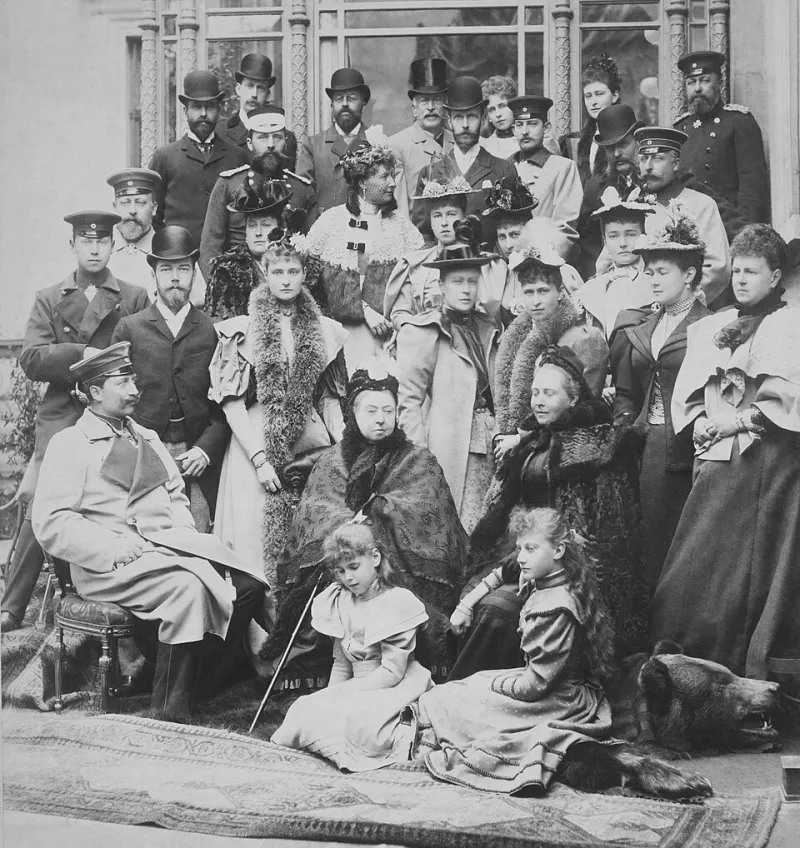
Photo: Eduard Uhlenhuth, Public domain, via Wikimedia Commons
Every family has a box. Sometimes it’s a proper archive with tissue paper and labels. More often it’s a battered shoe box, a carrier bag from a shop that closed years ago, or a drawer that smells faintly of old paper and furniture polish. You keep meaning to sort it. Then life happens, the box goes back under the bed, and another decade passes.
I’ve photographed enough family homes to know that these objects are not clutter. They are the closest thing many of us have to a time machine. A curling snapshot of your nan in a headscarf. A letter in your grandad’s careful handwriting. The programme from a wedding that happened before you were born. They deserve more than another spell in the damp.
You don’t need a studio or a fancy scanner to give them a proper portrait. You need a window, a clear table, clean hands and a bit of patience. Here’s how I’d approach it.
Start with the box, not the scanner
The temptation is to buy equipment and make a project of it. Please don’t. Start by simply emptying the box somewhere clean and dry. A kitchen table is perfect. Put the kettle on. Sort gently into three piles: photographs, paper things — letters, cards, certificates — and objects. Don’t try to organise everything by date yet. You’ll get lost in the stories and forget to photograph anything.
If anything is damp or smells musty, separate it and let it air in a dry room. Don’t seal it straight back into plastic. Old paper needs to breathe, and British houses have a way of holding moisture in places we don’t think about: the loft, the airing cupboard, the back of a wardrobe. Part of this job is rescue, not just record.
Window light is kinder than flash
You don’t need a lighting rig. Find a window that gets soft daylight — north-facing is lovely, but a bright day with thin cloud will do. Turn off the overhead light. Turn off the camera flash. Place your photograph at an angle to the window so the light skims across it rather than bouncing straight back.
Use a piece of white card or a sheet of plain paper on the opposite side to bounce a little light back into the shadows. That’s it. That’s the setup. A phone camera is absolutely fine. The point is not to make the print look like a museum exhibit. The point is to capture it clearly enough that someone else can read the expressions, the clothes, the background, the funny little details you’d otherwise lose.
Handle less, photograph more
Old prints are more fragile than they look. Oils from your fingers do quiet damage over time. Wash and dry your hands before you start, and handle prints by the edges. If something is torn or flaking, don’t press it flat or try to repair it with household tape. Photograph it as it is. You can always make a digital copy, but you can’t undo a clumsy repair.
For letters and documents, photograph the whole page first, then move closer for any details that matter: a date, a signature, a postmark, a line that made you laugh. If you’re photographing a stack, fan the pages slightly so you can see there’s more than one. These small choices help the next person understand what they’re looking at.
The back matters as much as the front
Some of the best information is written on the reverse. Names, dates, places, a hurried note in biro: “Mum and Dad, Blackpool, probably 1962.” Turn the print over and photograph the back too. It feels fussy, but future relatives will thank you. If there’s no writing, ask someone who might remember. Then write it down — not on the photograph itself, please — and photograph that note alongside it.
This is the part where the archive becomes a story rather than a pile. Who is the stern-looking woman in the garden? Why is everyone holding a teacup? Which house is that, and why did nobody ever talk about it? The answers are worth capturing while the people who know them are still around to tell you.
Let the damage stay
A crease across your mum’s face, a water stain shaped like Australia, a missing corner where a toddler got hold of it — these marks are part of the object’s life. They tell you it was loved, carried, shoved into a handbag, pinned to a noticeboard. When I photograph old family things, I don’t try to make them look new. I want them to look like themselves.
So don’t iron the curling print. Don’t crop out the faded border. Don’t scrub the foxing from the paper. Photograph it honestly, in good light, and let the wear show. That is the difference between a sterile scan and a portrait of an object that has been through a family’s hands.
Put the object back in its place
Some of the most moving frames happen when you don’t isolate the object at all. Photograph the box on the kitchen table. The letter beside the mug you always use. The wedding photo propped against the wall in the hallway. These images hold the object and the life around it. They remind you that the archive was never separate from daily life; it was tucked into it.
If you’re photographing an heirloom — a watch, a brooch, a christening gown, a recipe book — place it somewhere that means something. A wooden table. A windowsill. A favourite chair. You’re not making a product shot. You’re making a record of where it sat and how it felt to have it in your hands.
Make something the next generation can actually hold
Once you’ve photographed the prints, letters and objects, do something with the files. Back them up. Share a folder with your siblings or cousins. Print a small book, even a cheap one. Write a few lines about each image. The digital archive is useful, but a book on the shelf is the thing that gets pulled out on a rainy Sunday.
And if you do nothing else this year, label the box. Not with a grand family history. Just a note: who these people are, roughly when the photos were taken, and why you kept them. That small act turns a mystery into an inheritance.
The biscuit tin, the shoe box, the drawer that sticks — they are not the past. They are the evidence that your family was here. Give them an afternoon, some soft window light and a bit of care. They’ll give you back more than you expect.