Muddy Boots, Borrowed Spades: The Case for the Family Allotment Portrait
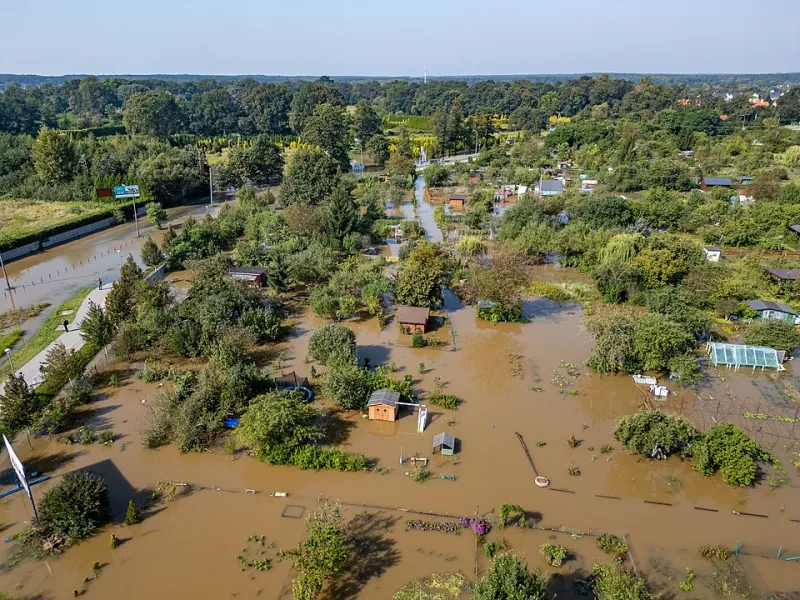
Photo: Czach, CC0, via Wikimedia Commons
There is a particular kind of pride that lives on a British allotment. It's in the way somebody says I've got half a plot down at the Field and then, without fail, walks you to the far end to show you the shed.
I've photographed families in living rooms, on beaches, in churchyards and in one memorable case, on a bouncy castle. But the sessions that stay with me longest are the ones on allotments. Maybe because nobody has ever had their picture taken there before, so nobody arrives with a pose ready.
The plot as a self-portrait
An allotment tells the truth about you in a way a portrait never can. A person's life is written all over it: the neat rows of someone who needs order, the cheerful chaos of someone who doesn't, the corner that's given up entirely, the tiny shrine of a shed that's been repainted four times.
There's the inherited spade with somebody's grandfather's initials burnt into the handle. There's the flask that only ever comes out at eleven o'clock. There's the bit of netting that's been meaning to be fixed since March.
None of this is décor. It's biography. And a photograph that includes it belongs to your family in a way a plain backdrop never will.
Don't tidy up for me
I mean this sincerely, and it's the single most useful thing I can tell you: please do not tidy the plot before I arrive.
I know the instinct. I've turned up to sessions where the toy box has been cleared and the mantelpiece emptied and everyone is standing awkwardly in a room that no longer looks like theirs. It always takes twenty minutes to undo. People relax into their own mess. Nobody relaxes into a show home.
So leave the bucket out. Leave the trowel where you dropped it. Leave the marrow on the bench that's grown to a frankly alarming size. That marrow is now a main character.
Start with the boots, end with the face
My approach to allotment sessions is simple: begin with the things, then work towards the people.
I'll spend the first ten minutes on details — the mud on a wellie, a hand around a tool handle, the way a coat hangs on a shed door. It gives everyone time to stop noticing me. Children especially need a job before they'll forget the camera exists, and there's no better job than being asked to show me the best thing on the plot.
Only once everyone has relaxed do I start photographing faces. By then, half the family have forgotten I'm there and the other half are arguing about the difference between a courgette and a marrow, which makes for excellent photographs.
The shed deserves its own frame
Every allotment shed is a character study. The shelves of mismatched pots. The calendar from two years ago. The kettle with the scorched bottom. The chair that's really only there for sitting and looking at everything you've grown.
I always ask for one picture of the person standing in the doorway of their shed, not smiling, just looking out. It's a quiet frame. Half the time it ends up being the one the family prints big.
A few gentle ideas
- Go early or go late. Morning light on an allotment is soft and forgiving, and it's when people actually work. Late afternoon in late spring or early autumn is the other golden patch.
- Dress for the plot, not for the picture. Jeans, a fleece, the coat that's actually warm. If you wear something you can't kneel in, you'll spend the whole session standing stiffly.
- Bring the things that matter. The inherited fork. The seed tin. The dog, if the dog is allowed. The child's watering can that is mostly used for flooding one specific patch of earth.
- Plan a job. Digging, picking, watering, shelling peas. Give an activity and the portraits make themselves.
- Ignore the weather forecast a little. A damp, grey afternoon is genuinely lovely on an allotment — everything goes deep green and the light does something gentle. Wet coats photograph better than sunny squints.
The half-grown carrots
There's a temptation to wait until the plot is at its best. Until the beans are up, until the shed's been painted, until the whole thing looks like the cover of a magazine.
Don't wait. The half-grown carrots are the point. The bed you haven't got round to yet is the point. Your allotment in November, with everything cut back and the ground resting, says something true about a year's work that July's version never could.
A family portrait isn't a record of peak achievement. It's a record of a life being lived in a particular place, by particular people, with mud on their boots.
And that patch of earth, however small, has been feeding you — in more ways than one — for years. It deserves a place in the album.