Grandad, Don’t Look at the Camera: Honest Portraits of Reluctant Older Relatives
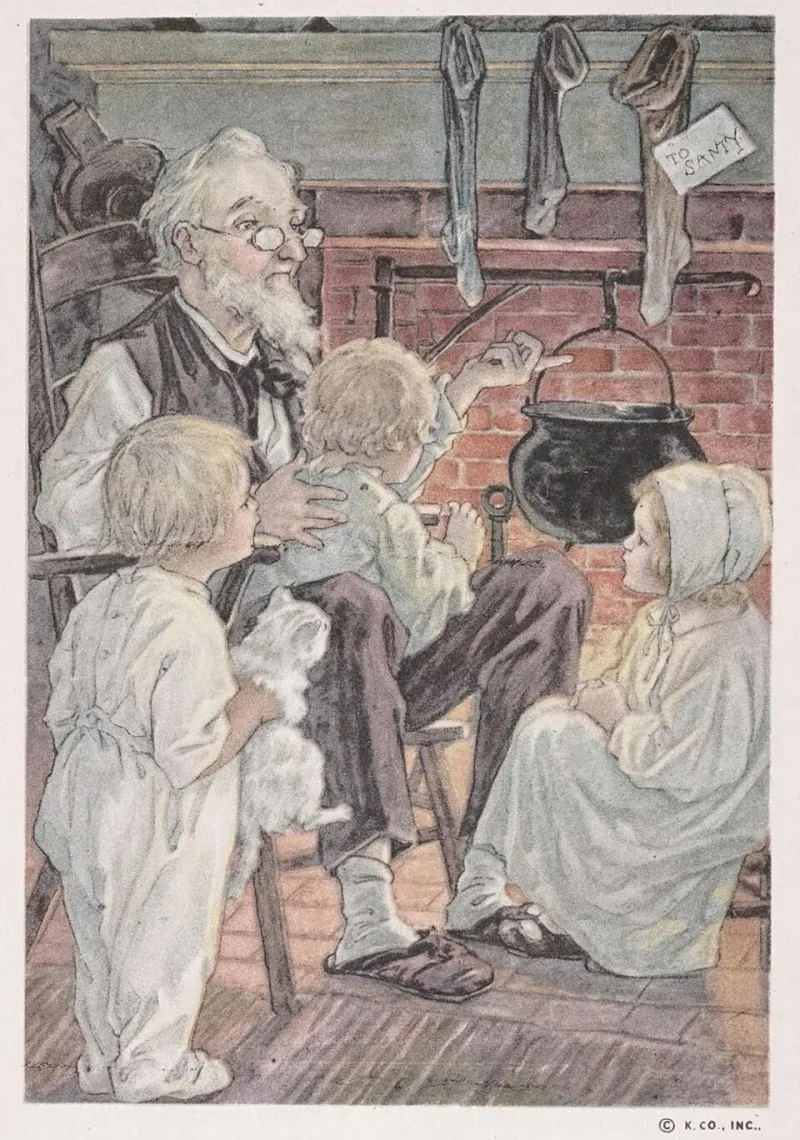
Photo: Clara Miller Burd, Public domain, via Wikimedia Commons
Every family has one. The grandad who mutters oh, not the camera again. The nan who insists she looks a mess. The great-aunt who will happily pose for a group shot but vanishes the moment a lens turns in her direction. These are often the people we most want photographs of, and the ones most likely to avoid them.
I understand it. Being photographed can feel exposing. Most older relatives grew up in an era of formal portraits — everyone lined up, everyone smiling on command, everyone looking a bit uncomfortable. No wonder they’d rather put the kettle on.
But legacy portraits don’t have to be formal. They can be quiet, familiar and full of the small details that make a person themselves. Here is how I approach photographing reluctant grandparents and older relatives without forcing anything.
Start with a cup of tea, not a camera
The camera stays in the bag for the first ten minutes. This is not a trick. It is just good manners. Sit down. Accept the biscuit. Ask about the garden, the weather, the neighbour’s extension. Let them get used to you being in the room.
When the camera does come out, keep it low-key. Don’t announce a photoshoot. Don’t ask them to sit up straight. Just take a few frames while they are talking. The best expressions usually arrive mid-sentence, when they are telling you about something they actually care about.
Use the room they actually live in
A studio backdrop will never tell the truth about your grandad. His armchair will. The clock on the mantelpiece. The stack of newspapers by the radiator. The shelf of mugs from places he has visited. The room is part of the portrait.
I often start in the kitchen or the front room, because that is where people are most themselves. If they are proud of the garden, we go outside. If they spend most of the day in one chair, we photograph them in it. Familiar surroundings help people relax, and they also give the photographs a sense of place. In years to come, you won’t just remember their face. You’ll remember the room.
Give them a job
Reluctant subjects often relax when they have something to do. Ask them to make you a brew. Ask them to fill the bird feeder. Ask them to find the photo album they were talking about. Ask them to shell some peas, polish their shoes, or sort the recycling.
These small tasks give the hands something to do and the face somewhere to rest. They also create natural moments: the concentration of pouring milk, the half-smile when they find the right page, the way they hold a mug with both hands. Those are the photographs that feel like the person, not the pose.
Hands tell the story
Older hands are extraordinary. They carry a whole life in them — wedding rings worn thin, veins, freckles, a plaster on one finger, the way they hold a teacup or a walking stick. Photograph them. Not in a sentimental, staged way, but as part of the whole picture.
A portrait doesn’t have to be just a face. It can be a hand resting on a knee, or a pair of hands wrapped around a mug, or a finger pointing at something in an old photograph. These details often mean more than a straight-on smile.
The details you think are too small
The slippers by the chair. The reading glasses on a string. The tin of biscuits that is always in the same place. The coat hanging by the back door. The radio on in the corner. These are the things that make a person’s daily life visible.
If your relative is worried about how they look, these details can also take the pressure off. We are not making a formal portrait. We are making a record of a Tuesday afternoon. That is a much easier thing to say yes to.
When they say no
Sometimes they really don’t want to be photographed, and that has to be respected. But a no to a formal portrait is not always a no to being in a photograph. Ask if you can take a few frames while they are doing something else. Ask if they would rather be photographed with the dog, or in the garden, or with a cup of tea in their favourite chair.
If they still say no, don’t push. Put the camera away and enjoy the visit. You can always try again another time. The relationship matters more than the photograph.
The photographs you’ll be glad you have
The older I get, the more I realise that the photographs we avoid are often the ones we treasure most later. Not because they are technically perfect, but because they are real. A grandad mid-laugh. A nan rolling her eyes at the camera. A great-aunt holding a cup of tea in a room that smells of toast.
These are not stiff studio portraits. They are family history. And they are worth making gently, slowly and with a lot of tea.